Hershey News
Get an in-depth look at the rich learning experience of Hershey Montessori.
Hershey Montessori School Receives $300k Dekko Foundation Award
For Immediate Release
October 16, 2024
Contact: Yvonne Delgado-Thomas
ythomas@hershey-montessori.org
440-357-0918 / 440-749-1124
Hershey Montessori School Receives $300k Dekko Foundation Award
Concord Township, OH, August 2024 — Hershey Montessori School is pleased to announce an award of $300,000 from The Dekko Foundation. This generous grant will support Hershey’s strategic goals for “Rebuilding Capacity for Sustainability” over the next two years.
The Dekko Foundation’s mission is to foster children and young people’s knowledge, skills, and character, propelling them to self-sufficiency and economic freedom. The foundation is rooted in the belief that “Great things happen when adults step back to consider what young people need to grow and develop. Often, that deliberate act of reflection results in the most impactful outcomes.”
Dekko and Hershey align in this as is seen in Hershey’s Montessori approach to education. It is why, since its founding in 1978, Hershey Montessori School has been a sought-after school of choice for families in Northeast Ohio, and globally for adolescents since 2000.
Despite post-pandemic growth, bolstering enrollment and increasing retention will help meet the school’s long-term goals. Hershey accepts EdChoice Expansion Scholarships, offers financial aid options, OAIS scholarship tax credits, and more, making Hershey Montessori School more accessible to families from Ohio, across the U.S., and around the world.
Hershey Montessori School is grateful for the $300,000 Dekko Foundation award, and the continued generous support of The Hershey Foundation, the Hershey Family Foundation, and many individual donors. Every contribution, large or small, is invaluable. These gifts enable Hershey Montessori School to move toward economic sustainability while remaining focused on its vision: “Children and adolescents develop a strong sense of self, rooted in love for the environment and community, seamlessly transitioning from each stage of development through adulthood.”
About Hershey Montessori School
Grounded in the tradition of Dr. Maria Montessori for more than 45 years, Hershey Montessori provides beautiful Montessori environments where learning and work are integrated within a community experience, engaging intellectual, moral, and social development of children and adolescents from birth to eighteen years. Hershey Montessori School is comprised of two campuses in Northeast Ohio. The Concord Campus serves children from pre-k through sixth grade, and the Huntsburg Campus serves middle and upper school students. Hershey Montessori School added its Upper School program in 2015, making Hershey one of the first in the world to provide a full birth to 18-year curriculum with a boarding component and intentionally designed working farm. For more information, visit www.hershey-montessori.org.
###
Middle School Boarding Reopens
By Paula Leigh-Doyle, Hershey Montessori Head of School
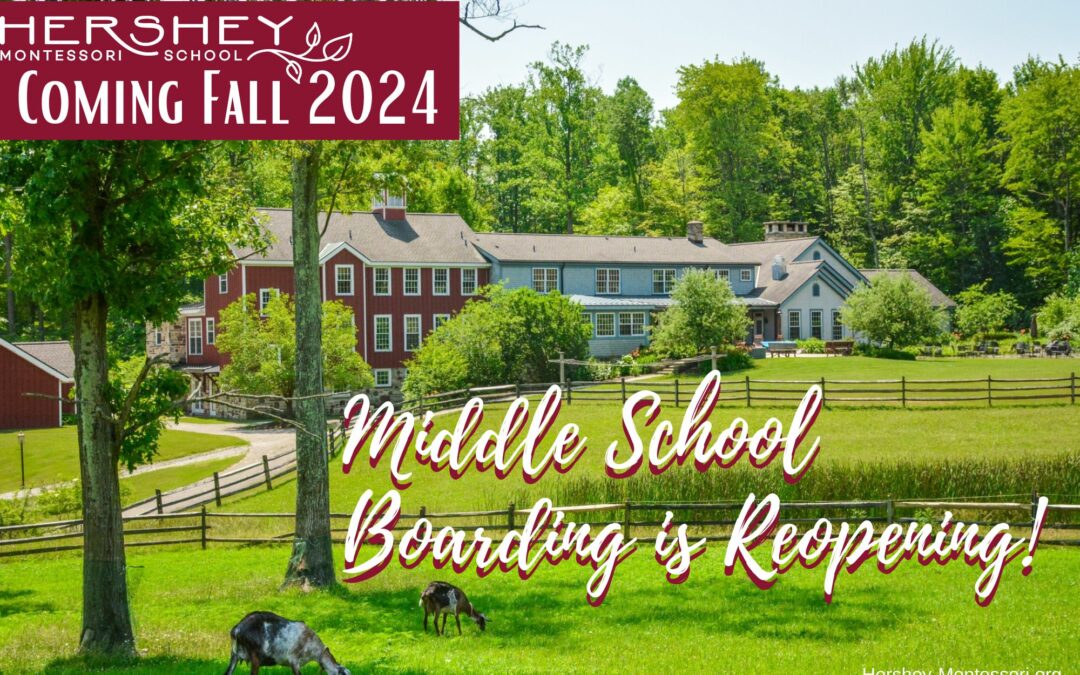
We are excited to announce the reopening of our Middle School boarding program!
As many of you know, one of the unforeseen impacts of the COVID-19 pandemic was the difficult decision to pause the program for the 2020 academic year and to reopen in an intentional way with older adolescents. However, the greatest impacts of the pandemic are hopefully now in our rearview mirror.
We are pleased to share that several new students are ready to join our Upper and Middle School residential community in the fall, and applicants range from Japan, Mongolia, Vietnam, Mexico, and other USA states. We greatly value the diversity of cultures our boarding program brings to our growing community.
We are confident in choosing the 2024-2025 school year to restore this invaluable component of our Adolescent Community on our beautiful Montessori farm school on the Huntsburg Campus.
This is truly a celebratory moment for us all and another example of our collective and demonstrated resiliency!
Note: Applications for enrollment are available on our website. More information can be found in our admissions tab.
Hershey Now Accepting EdChoice Expansion Scholarships
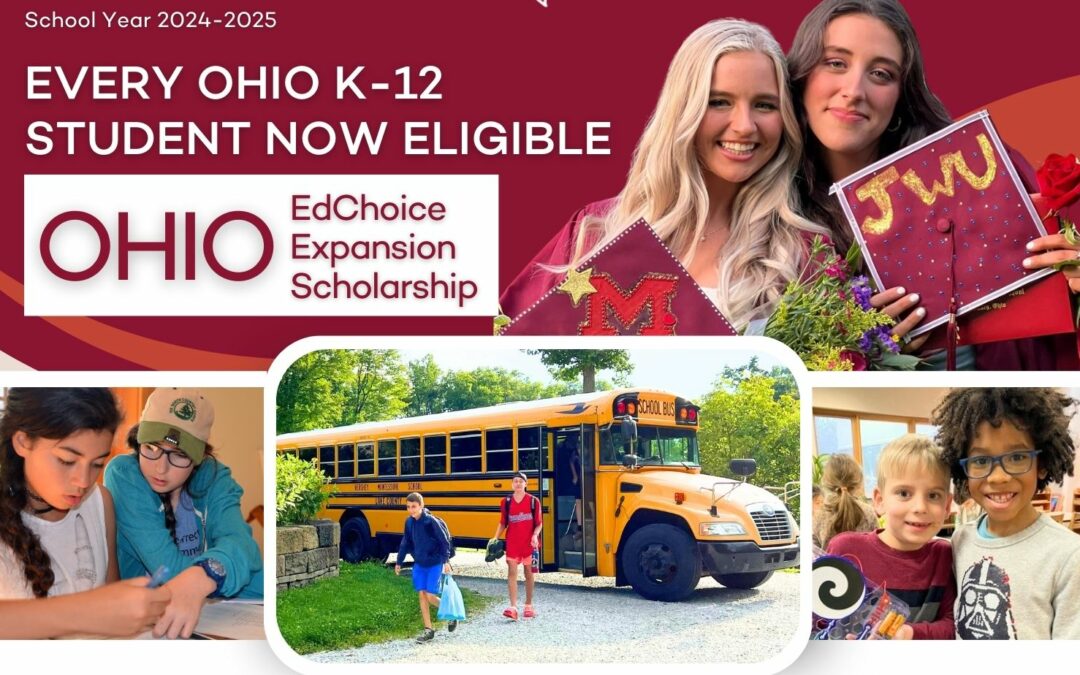
Hershey Montessori School is pleased to announce its participation in Ohio’s EdChoice Expansion Scholarship Program.
The EdChoice Expansion Scholarship Program provides Ohio students the opportunity to attend participating independent schools. The EdChoice Expansion Program is income-based. It provides scholarships to students in grades K–12 based on household income level. The scholarship amount can be up to $6165 for grades K–8 and $8407 for grades 9-12.
Scholarships for EdChoice Expansion are awarded based on the Adjusted Gross Income (AGI) of a family’s household. If a family’s household income is at or below 450 percent of the Federal Poverty Level, they will be awarded the maximum scholarship amount. If a family’s household income is at or above 451 percent of the Federal Poverty Level, the student’s scholarship award will be prorated based on the chart below.
Hershey’s participation in this program does not change our pedagogy or admissions process, but it will greatly assist in making Hershey affordable for Ohio families who wish to avail of the scholarship. Hershey’s financial aid will still be available to qualifying families who need additional support even after qualifying for Ohio’s EdChoice Expansion Scholarship.
Families outside of the state of Ohio are encouraged to apply for Hershey’s financial aid. Questions regarding EdChoice may be directed to Diana Le Sieur at dlesieur@hershey-montessori.org or by calling 440-357-0918.
More information can be found on our Scholarships page and on Ohio’s EdChoice website.
Beautification Projects Come to Life at Concord
By Yvonne Delgado-Thomas, Hershey Montessori School Development Director
Sharing Heartfelt Appreciation for Our Generous Supporters
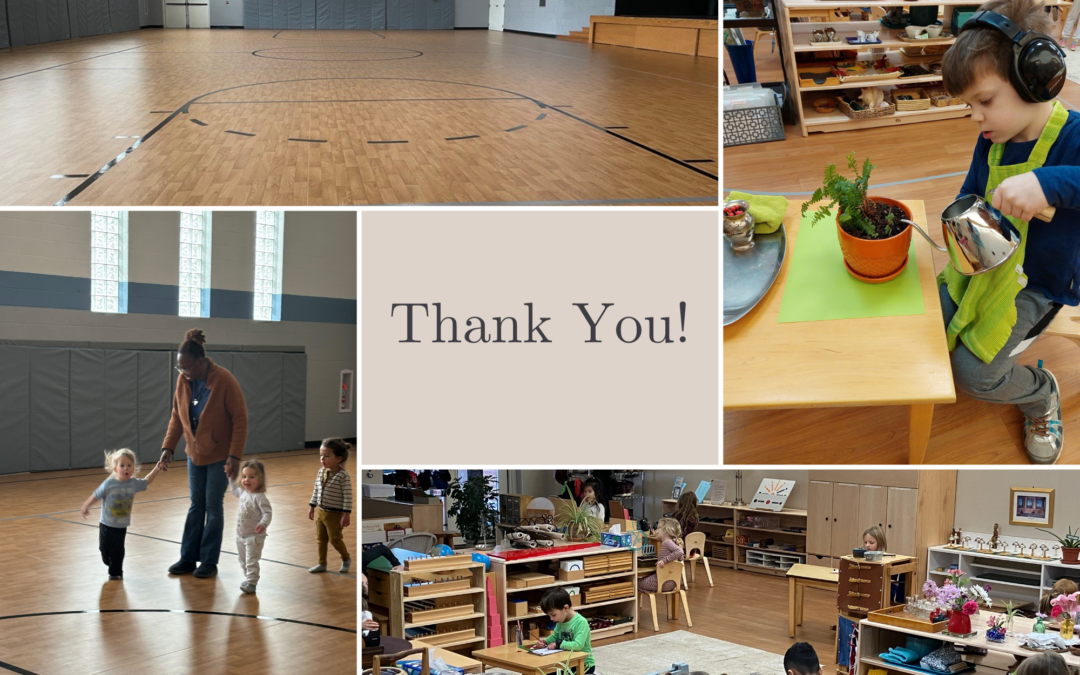
Hershey Montessori School is delighted with the wonderful transformations that have taken place at our Concord Campus through two significant beautification projects this school year. These improvements have been made possible by the generosity and support of individuals and organizations.
A special note of gratitude goes to The Hershey Foundation for their incredibly generous grant that has revitalized our Children’s House community. Thanks to this support, we have created a beautifully renovated prepared environment, aligned with Dr. Maria Montessori’s vision. This classroom now stands as a peaceful, happy space designed to cater to the developmental needs of the children. We extend our heartfelt appreciation to The Hershey Foundation for taking the first step in our ongoing campus renewal plan.
Secondly, but just as important, we would like to express our sincere thanks to K&D Management for their matching donation that inspired a wave of generosity at our Gala 2023: Shine. The collective effort of donors, prompted by K&D’s generosity, made it possible to realize the dream of a new gym floor and multi-use space. This versatile area is perfect for children to play, create, and explore, and for families to enjoy various events and activities. The K&D Management gift played a pivotal role in bringing this vision to life.
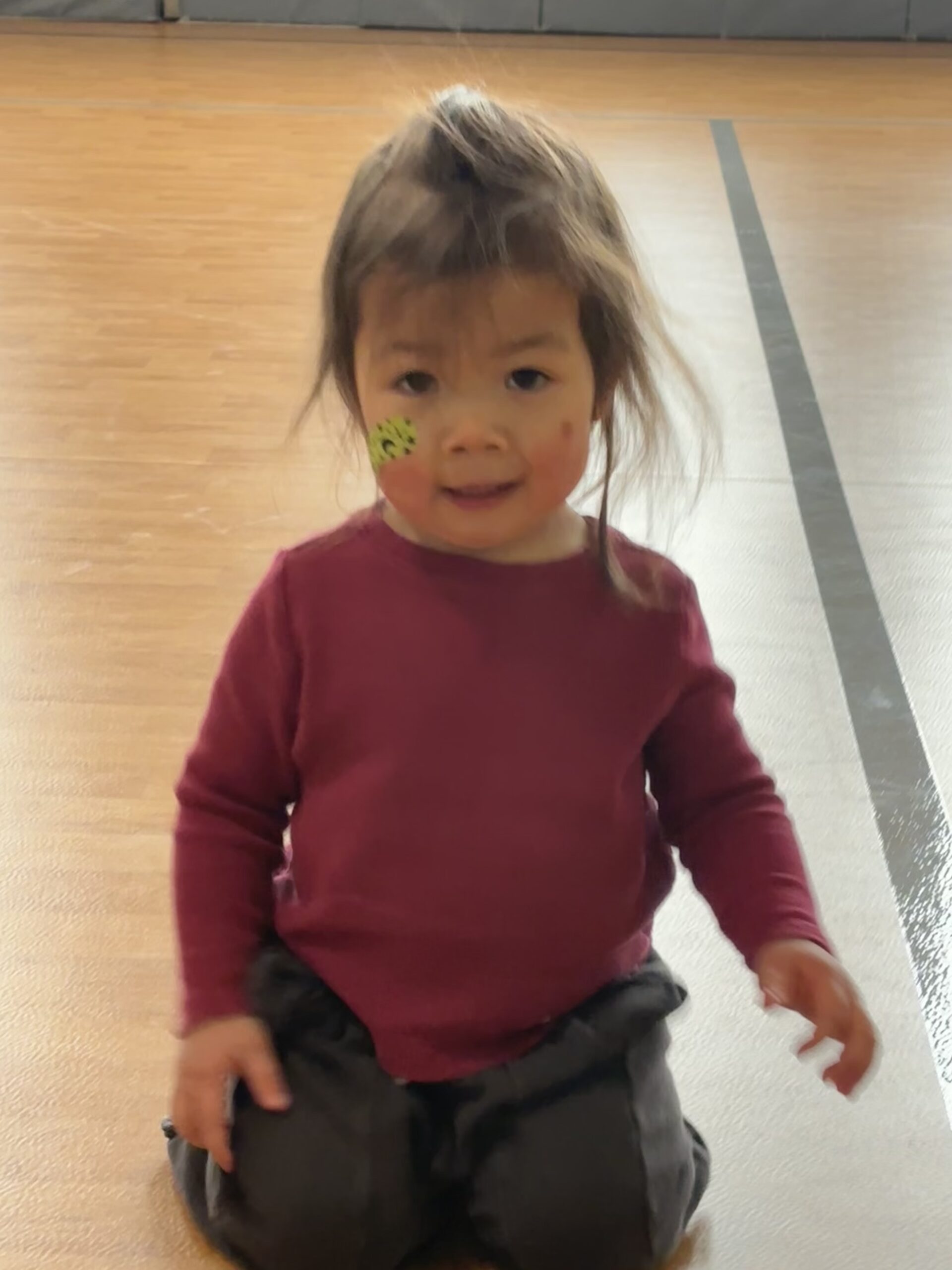
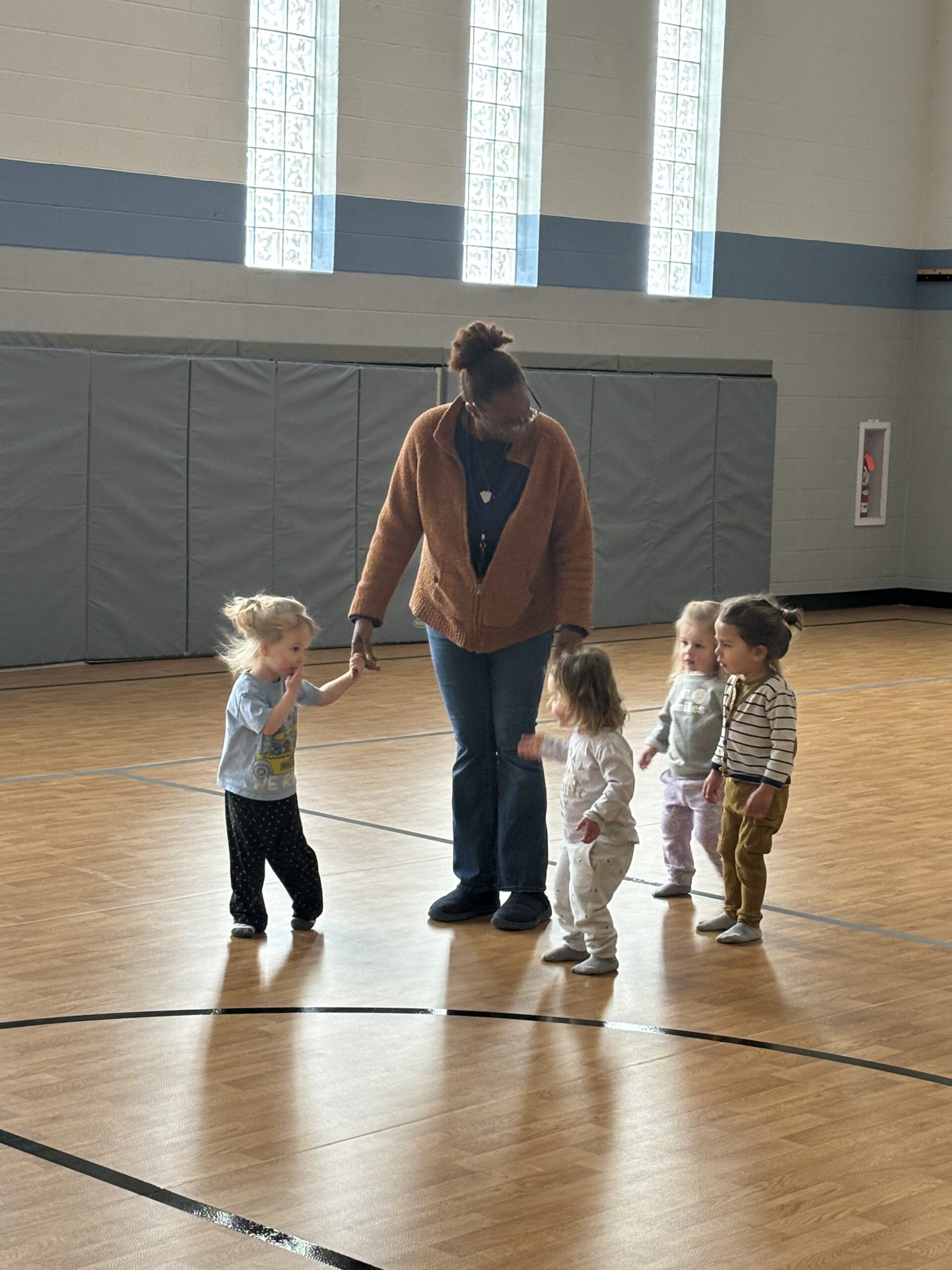
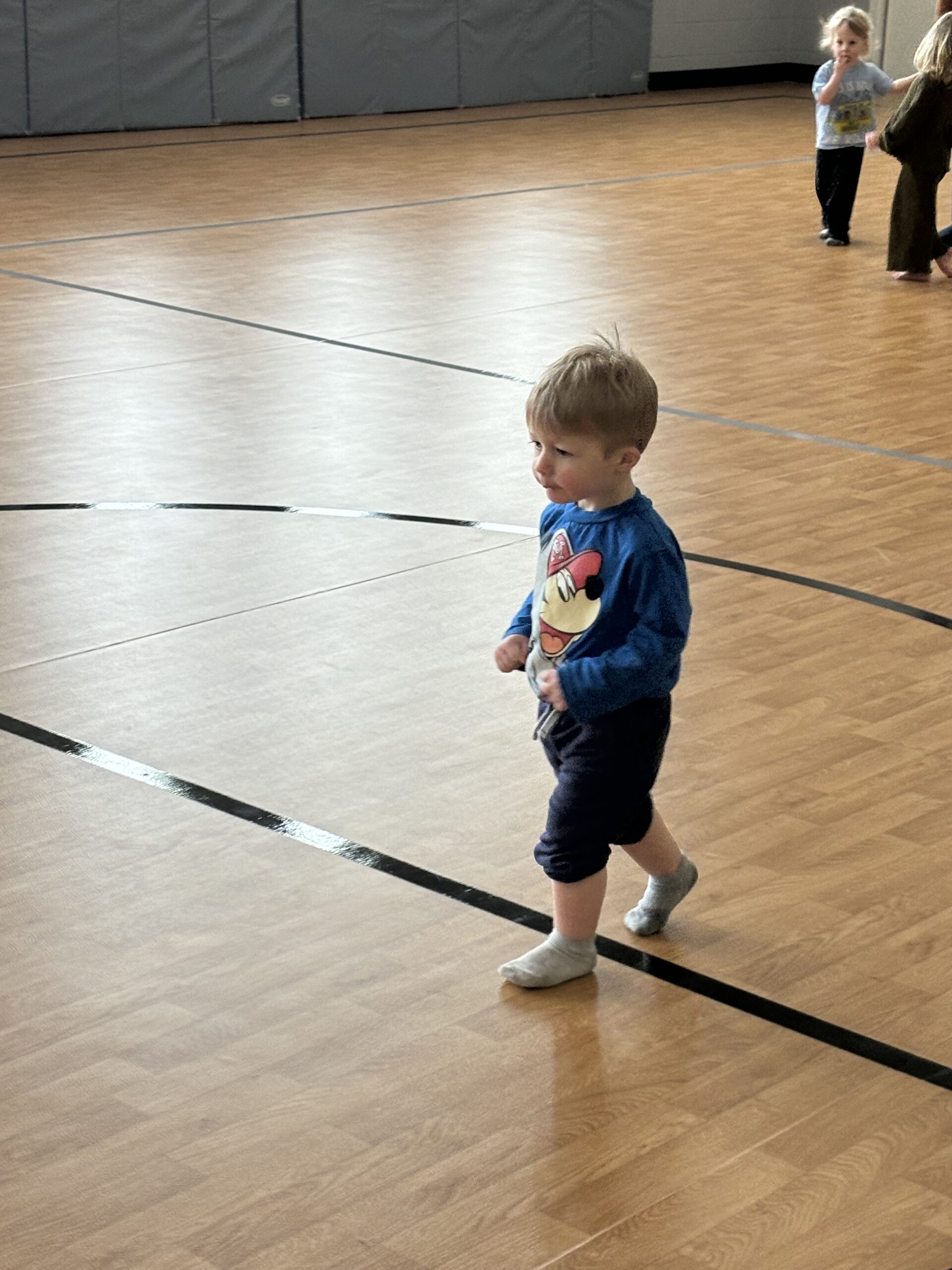
Our gratitude extends to all the individuals, families, businesses, and the entire Hershey Montessori Community for their unwavering support. Their contributions, be it in the form of time, talent, or donations, continue to play a crucial role in advancing our school’s mission. Together, we are creating a vibrant and nurturing educational environment for our students.
Swift Delivers, Memorable Adolescent Student Experience
By Joyce Cole, Hershey Montessori Farm Manager
Is she pregnant? This was the question that all of us in the community had been asking since we separated our Kunekune gilt, Swift, from our boar, Tui, back in November.
We couldn’t have timed our questioning and investigating more perfectly. We started just last week by attempting to use a human pregnancy test, with a seventh-year student managing to catch her urine! However, we then learned that pigs do not produce a hormone like the HCG hormone of a human woman, so we ordered the livestock urine pregnancy test that instead measured a hormone called estrone sulfate and asked the student to work his magic once again.
We were excited by the positive results, but then we found out that the test would only work between days 30 and 35, or days 85 – term. Pigs only carry for 115 days. That meant we had to be in late pregnancy and our preparation window was now a tight one.
By our calculations, and with 93% test accuracy, Swift would give birth in the next two weeks. Sure enough, we had just installed the Ring camera on the afternoon of Saturday, January 20th, when I noticed some increased swelling in her abdomen and teats. I went in again on Sunday morning and was able to express milk from her teats, so I rallied the student Pastured Pig team.
At 4:06 p.m. Sunday, January 21st, Hershey middle school guide Nicole arrived to relieve my watch. She found Swift with her head buried in straw and breathing very heavily. Nicole immediately called me back in due to Swift’s obvious signs of labor. She also alerted the whole Pastured Pig team.
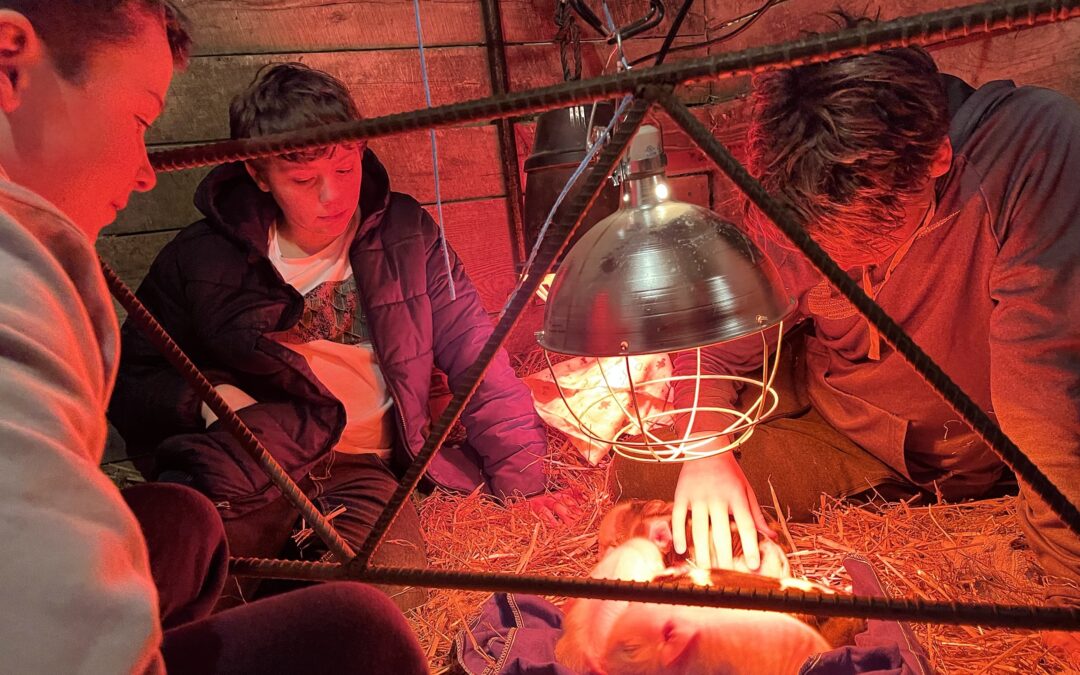
By 6:30 p.m., nine healthy piglets were born! All members of the Pastured Pig team were able to be there for the birth. The team jumped right in and set up to help Nicole catch the babies, clean them off, and put them safely in their heated area while they waited for mama to finish.
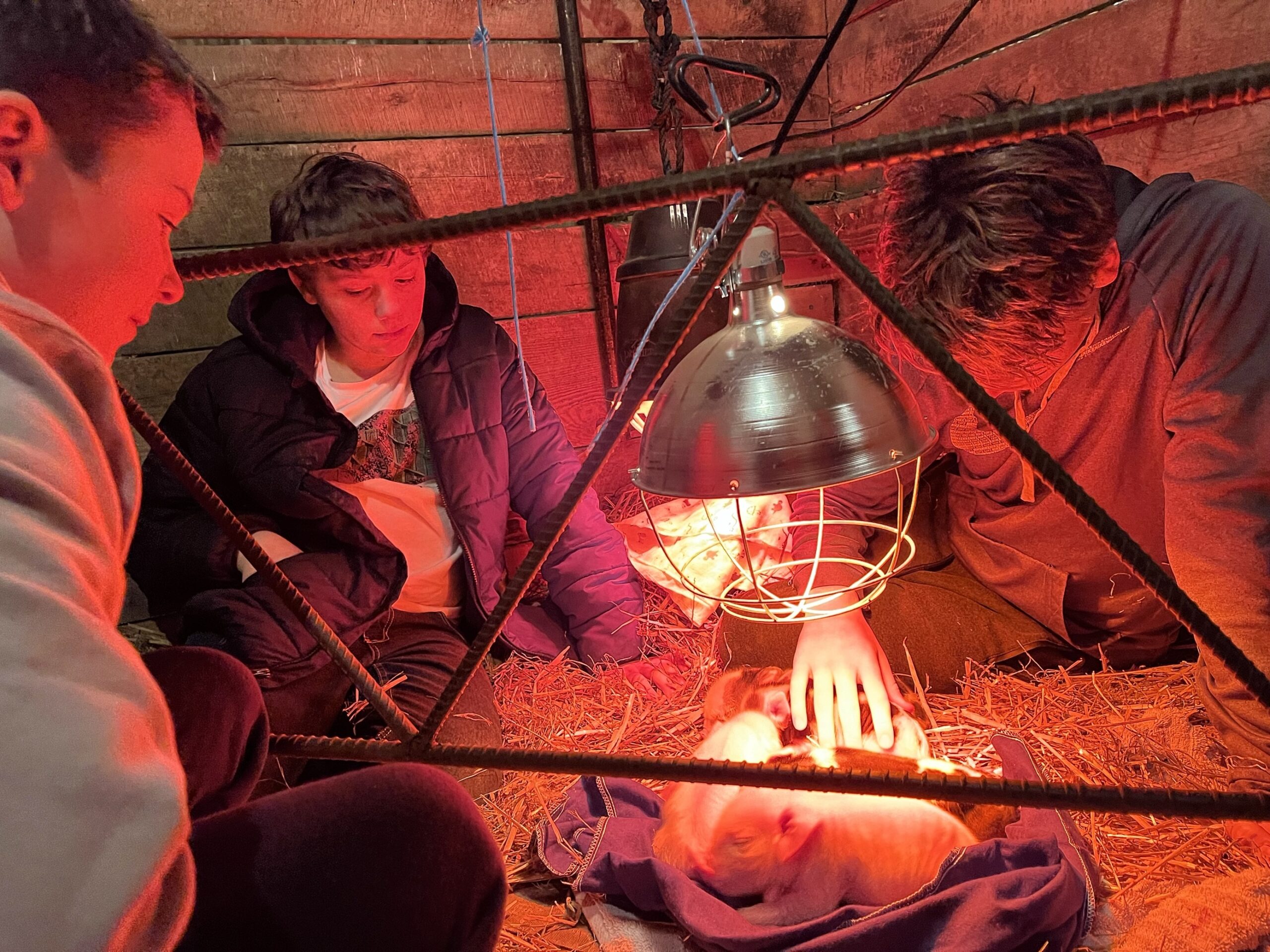
Students help care for the piglets as Swift finishes her delivery.
Swift was exhausted, but she is very loving with her new litter, responding to them when they cry and turning her big ol’ pig belly out so that the babies can reach their milk. They were quickly able to latch on successfully and get a good dose of colostrum. Their warming area is outfitted with two heat lamps and a seedling heat mat. They flop onto the heat mat and fall asleep without worrying about pulling up the covers. Their little piglet bellies are full and round with their mama’s milk.
Congratulations, Swift, and congratulations to the team members who made it in for the birth. Those students include one ninth-year and two seventh-years. The team did a fabulous job assisting Mama Swift.
The team is now challenged with keeping the babies warm and fed and assisting Swift in the raising up of these sweet little piglets.
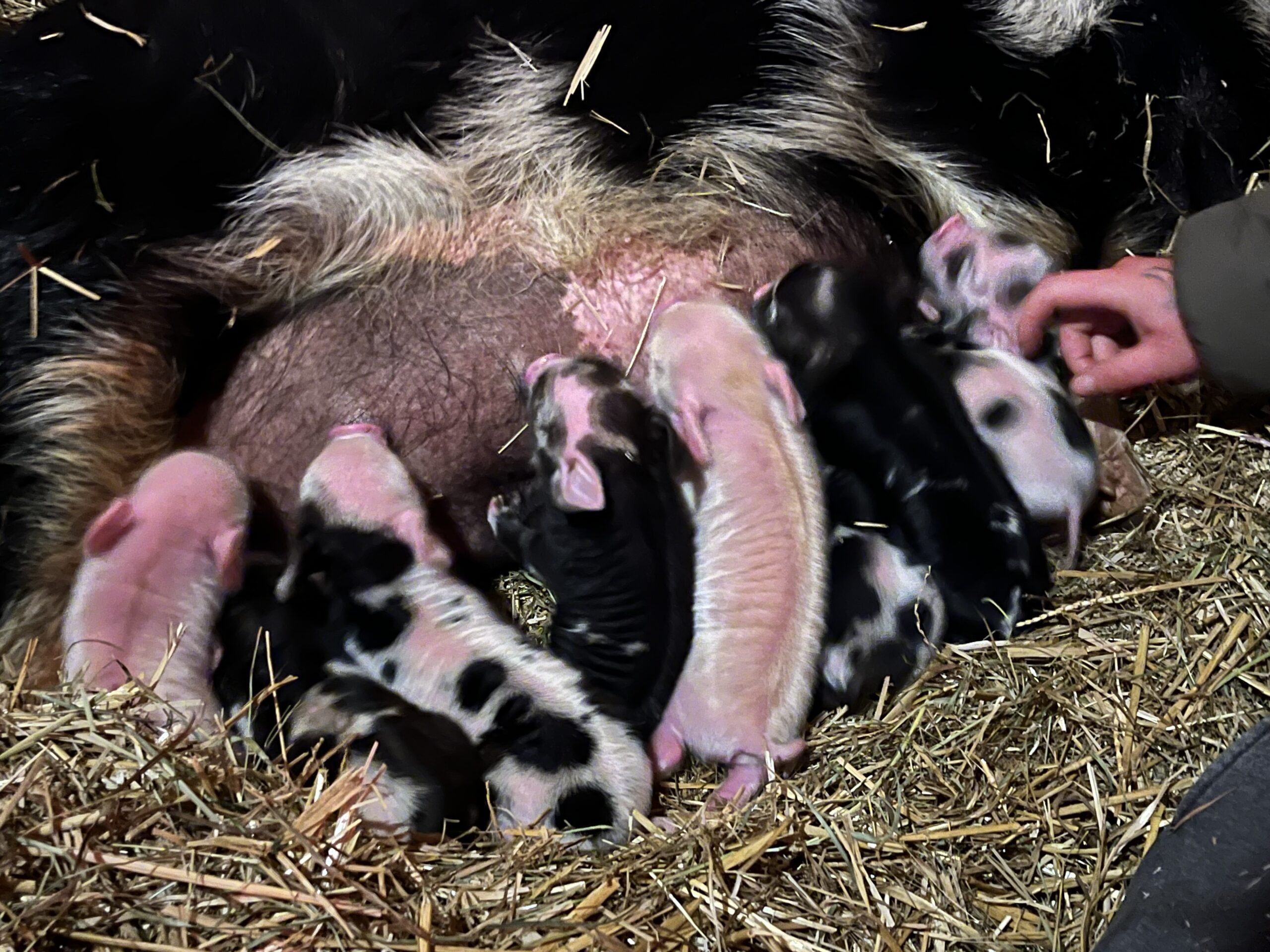
The newborn piglets are nourished by their mama.
Editor’s note: This was an experience most adolescents would never have the opportunity to witness or enjoy. For Hershey students, it is yet another unique, memorable moment to learn and grow from – a memory that will last a lifetime. Many things can be learned through books and classrooms, but learning is most impactful when experienced. This experiential learning is both the power and the beauty of authentic Montessori education.
Hershey’s Concord Campus in Top 2.5% of U.S. Schools
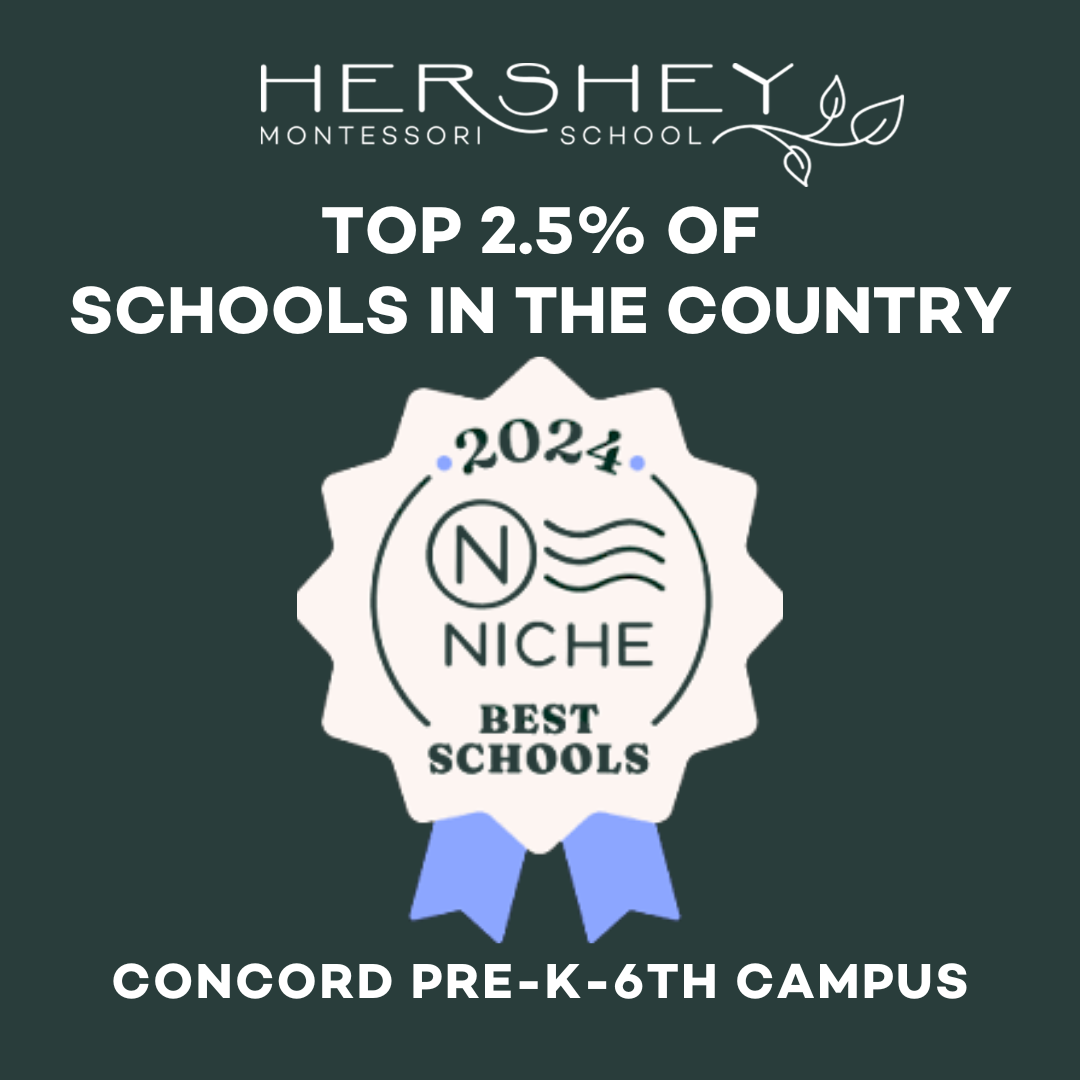
Hershey Montessori School is pleased to announce that its Concord Birth through 6th grade Campus is ranked by Niche as being in the top 2.5% of schools in the country. The Concord Campus has an A+ overall grade.
Niche is known as the market leader in connecting schools and colleges with students and families, helping them to enroll in the right school for them. Its grades and rankings are calculated using dozens of data sets and millions of reviews. Niche data scientists rigorously analyze data and user opinions to assess the key aspects of K-12 Schools, as well as Colleges and Places to Live.
Reviews play an important part in a school’s grade. Several new, impactful parent reviews have contributed to a recent grade increase. Raising it to an A+ from an A.
“Hershey is truly an amazing place. The guides recognize and respect each individual child’s needs and learning styles. This approach allows the kids to feel supported, yet it still gently pushes their boundaries so they can learn and grow. In addition to important school lessons, the kids are also taught life skills like cleaning, making food, helping others. Kids are allowed to be kids – they choose what interests them and have the freedom to learn lessons at their own pace. Plus the outdoor space is beautiful!” ~Parent Review on Niche
Hershey’s Concord Campus encompasses 13 acres, including 11 acres of woodland, trails, green space, play areas, and gardens. All lead guides are AMI-trained and certified. Classrooms at the Concord Campus consist of indoor spaces prepared with Montessori materials, outdoor spaces of vegetable plots, and open green space for play.
Hershey’s 7th-12th grade Huntsburg Campus holds an A- grade overall. And, although as a Montessori school we use mastery as our marker, we recognize that Niche grades provide a universal understanding for the general population in regard to the quality and value of an educational institution.
We are thankful for our community’s trust, support, and the time they have taken to share their perspectives and experiences with Niche. We are also grateful for the staff and guides who help make Hershey Montessori School the warm and caring academic community that so many have come to love and respect.
If you would like to leave a review for either Hershey campus, you may do so here.
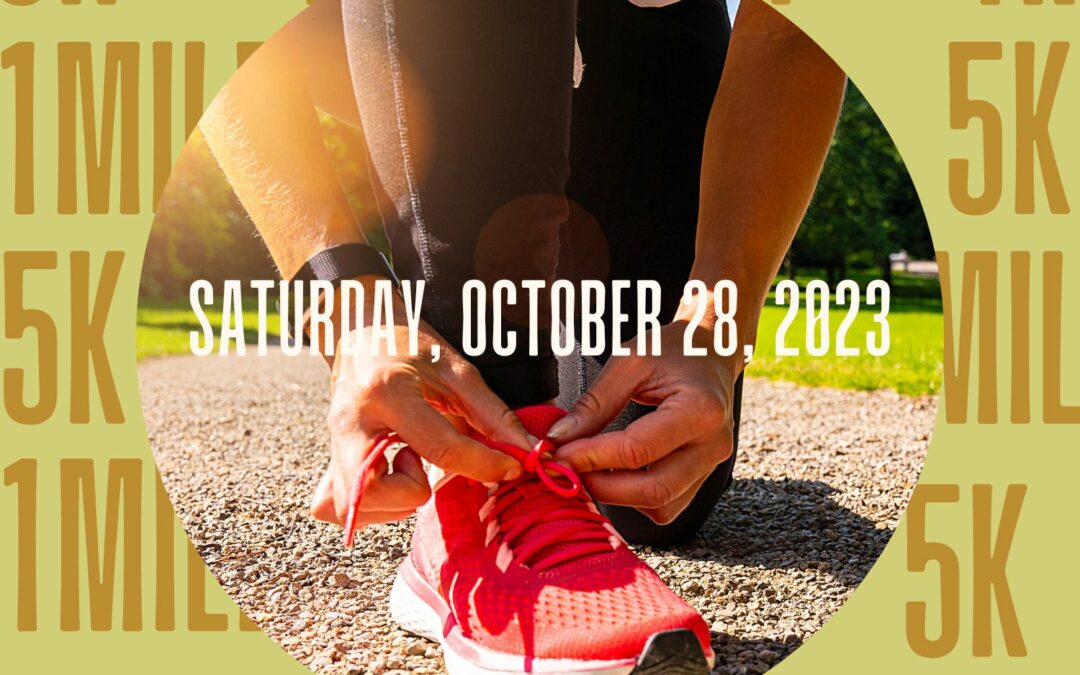
2023 Hershey Cosmic Run 5K/1M
Get ready for the Hershey Montessori School Cosmic Run!
This annual event is a community favorite. It serves as a healthy, family-friendly event that provides great fun and connection.
Awards are given in age group categories as young as 11 years up to 71 and over.
When: Saturday, October 28, 2023
Where: Observatory Park at 101610 Clay St. in Montville
Time: Race starts at 9 am
Choose: 5k Race or 1 Mile Fun Run/Walk
All ages are welcome!
All proceeds help support our school mission:
“To provide beautiful Montessori environments, where learning and work are integrated within a community experience engaging intellectual, moral and social development of children and adolescents from birth to eighteen years.”
We can’t wait to see you at the 2023 Cosmic Run!
Hershey Montessori School Offers Student Shadow Days
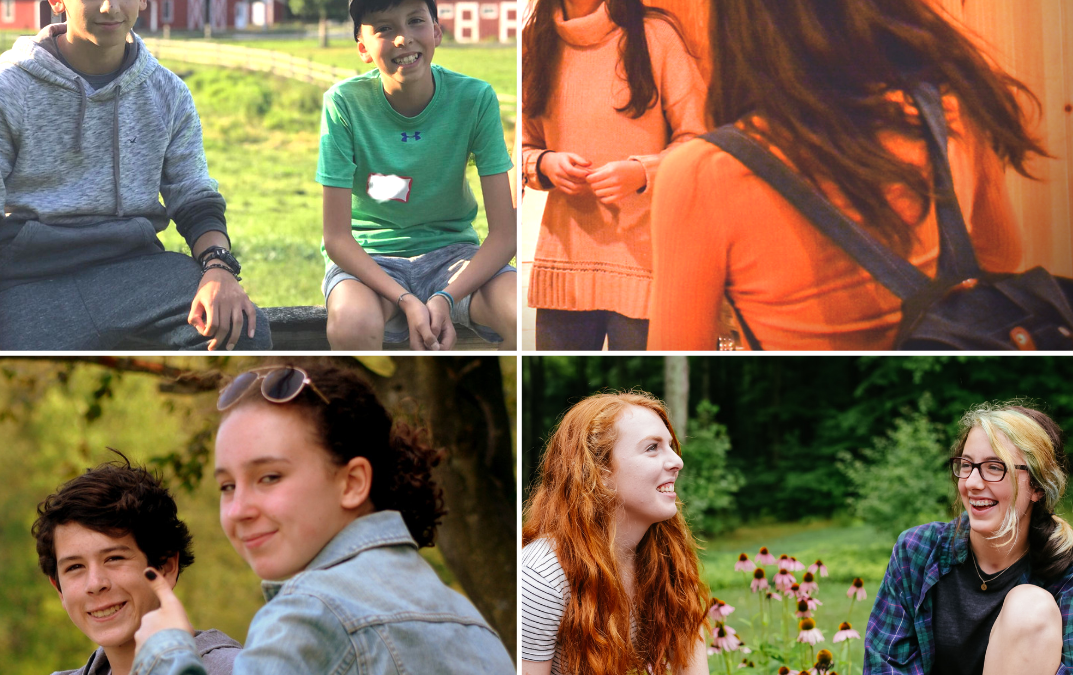
Hershey Montessori School is offering Student Shadow Days at the Middle and Upper School campus.
The Shadow Day opportunity allows prospective students to experience Hershey’s campus, culture, and curriculum in a personal way. Shadow students are also able to ask peers relevant questions that equip them to make an informed decision about their education journey.
Shadowing students will be able to authentically experience what being a student at Hershey Montessori School is like.
Hershey’s Middle and Upper School campus is located at 11530 Madison Road in Huntsburg, Ohio.
Interested families may contact the Huntsburg campus Administration and Admissions Coordinator, Kate Zolikoff, to schedule a Shadow Day for their child. Phone 440-636-6290 or email kzolikoff@hershey-montessori.org to request more information.
We look forward to meeting you!
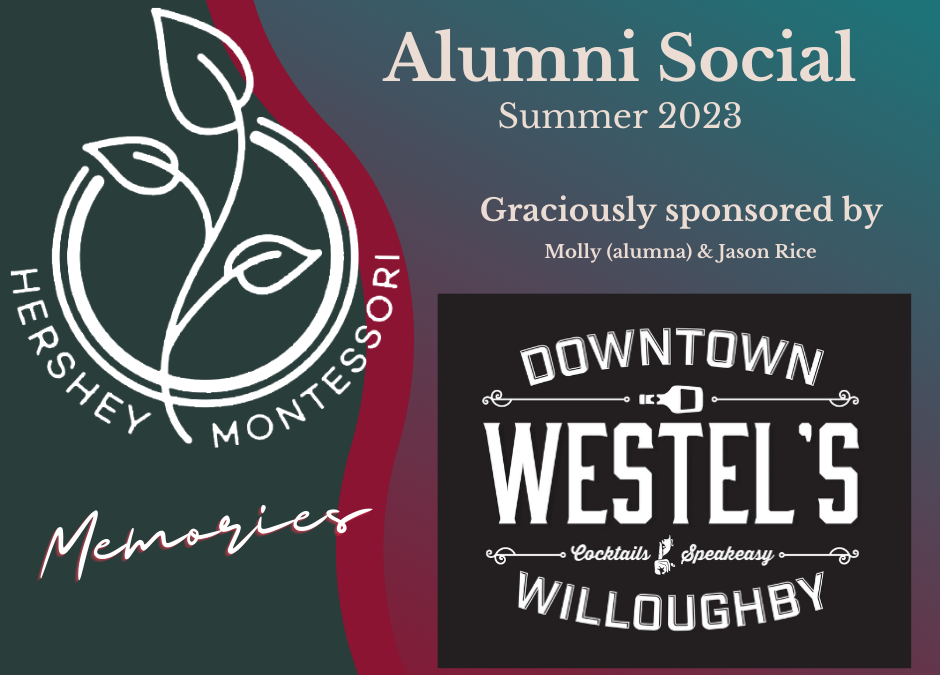
Hershey Alumni Summer Social
Join us for Hershey Montessori School’s Alumni Social!
The Alumni Social is open to Hershey alumni and guides. Hershey defines “Alumni” as any person who has been enrolled at Hershey Montessori School for any length of time. Come connect with us and to one another!
Date: Thursday, June 15, 2023
Time: 5-7 pm
Location: Westel’s | 4084 Erie St., Willoughby
Cost: $15
Register at: https://one.bidpal.net/westles2023/welcome
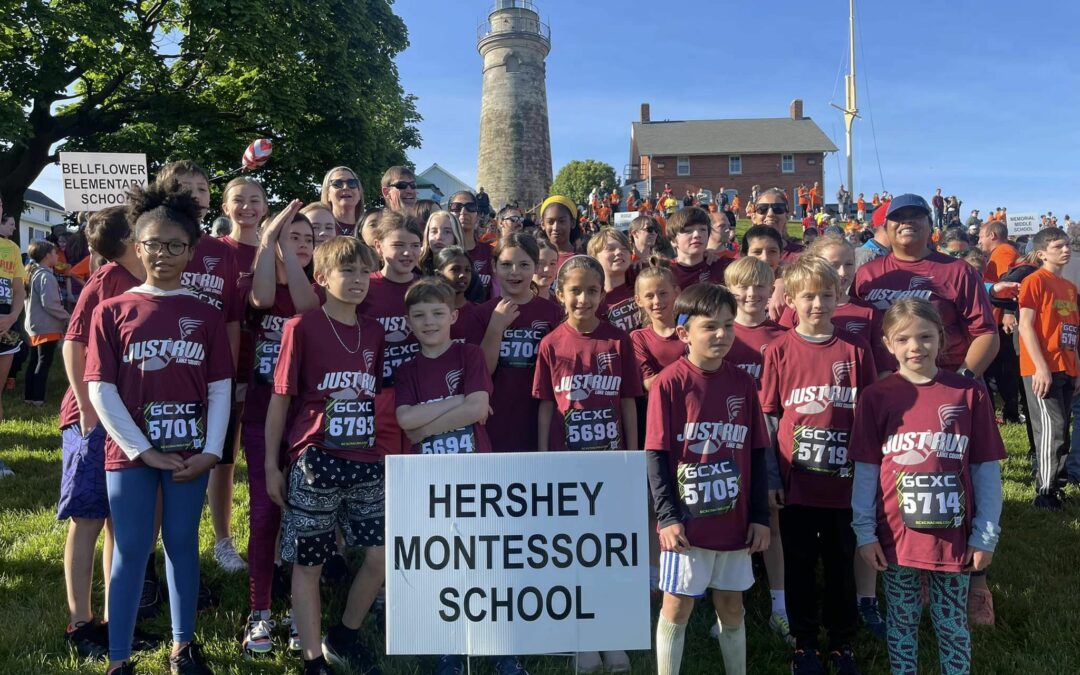
Hershey Students Just Run!
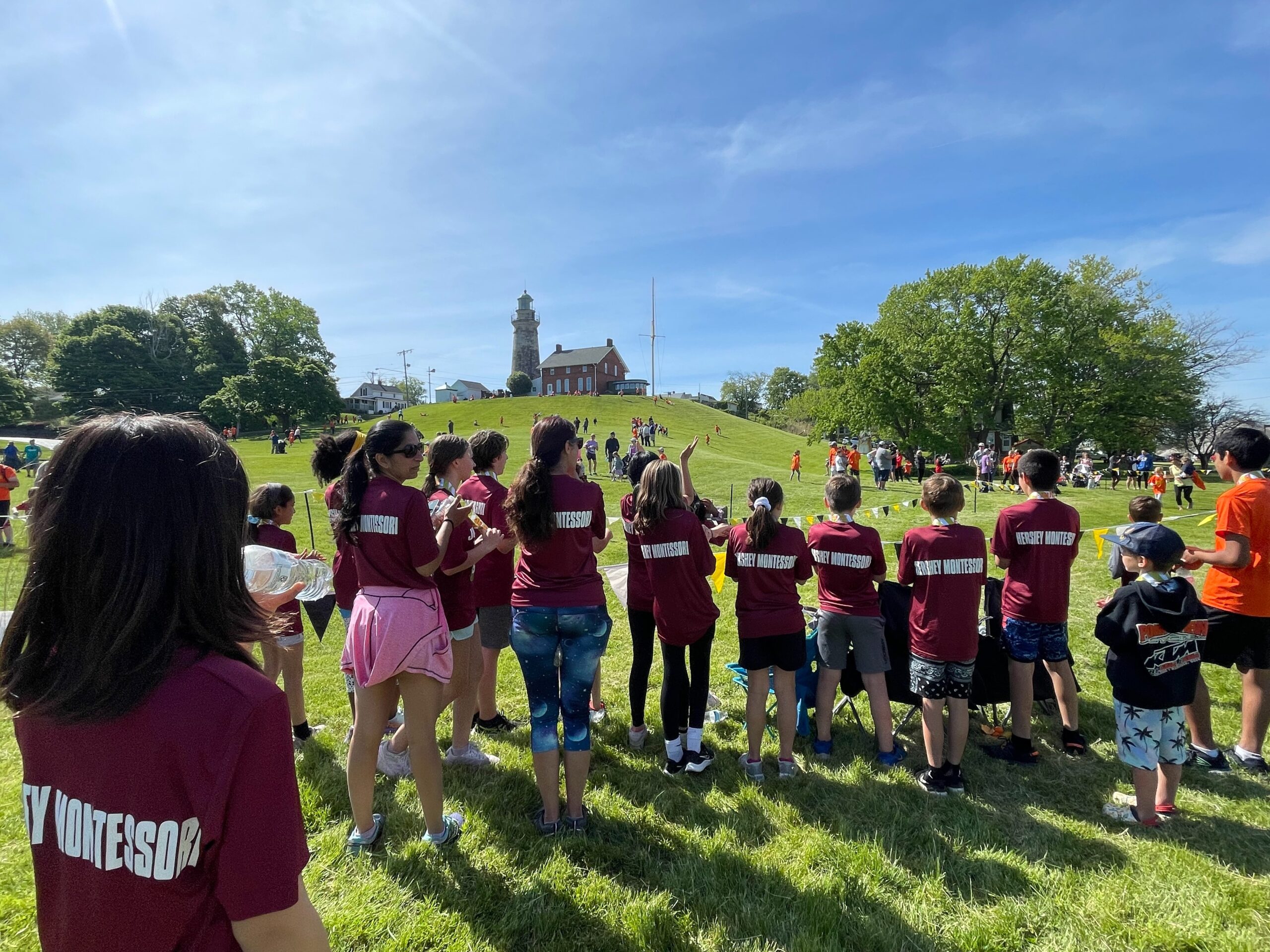
Hershey Montessori School wound down this year’s Just Run® program with its last practice on Thursday, May 25, with a total of thirty-one students. The program readied students for the Just Run 5K race that was held on Saturday, May 27, in Fairport Harbor. Thirty students participated — Hershey’s biggest group ever to represent our school community.
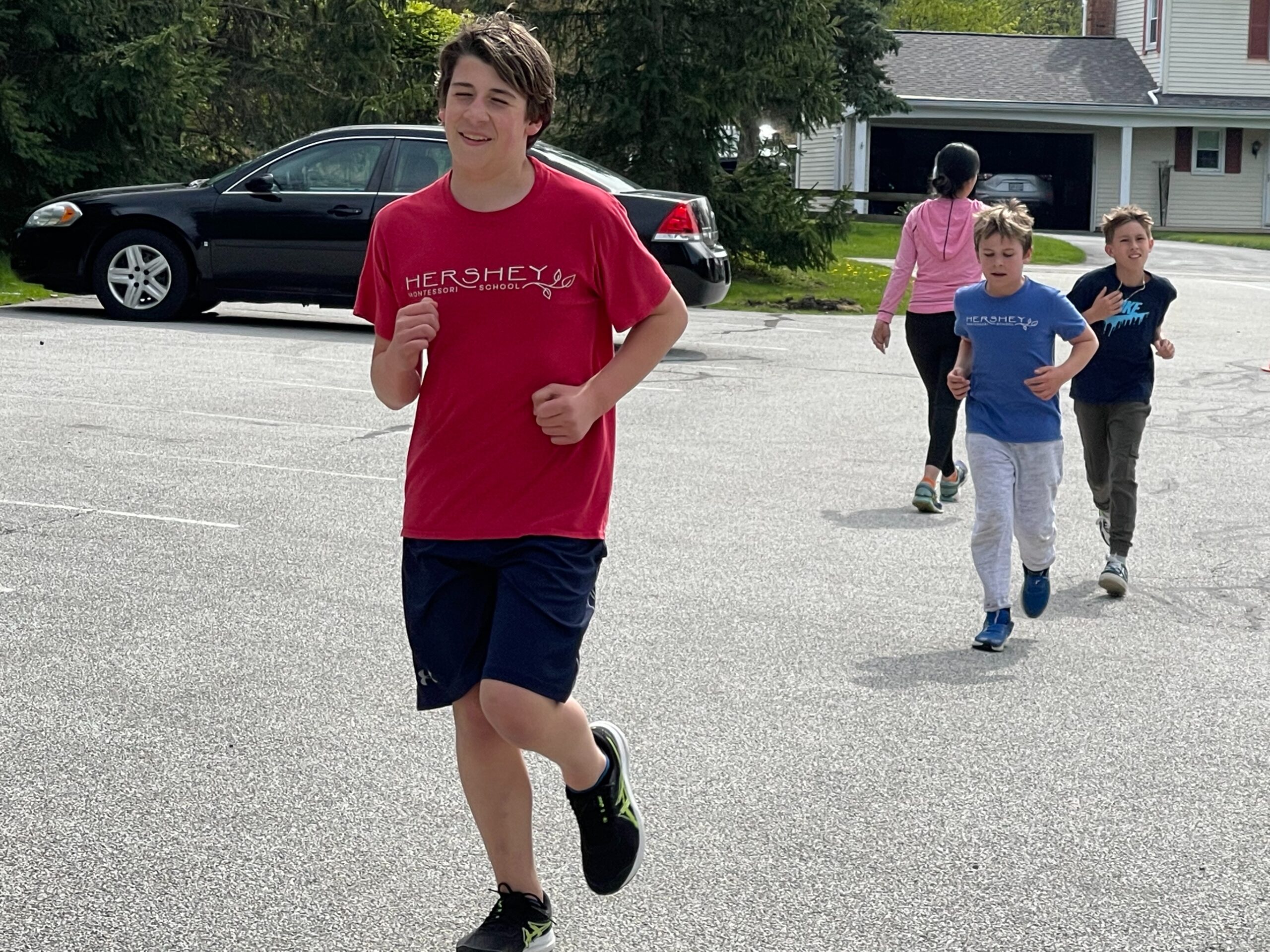
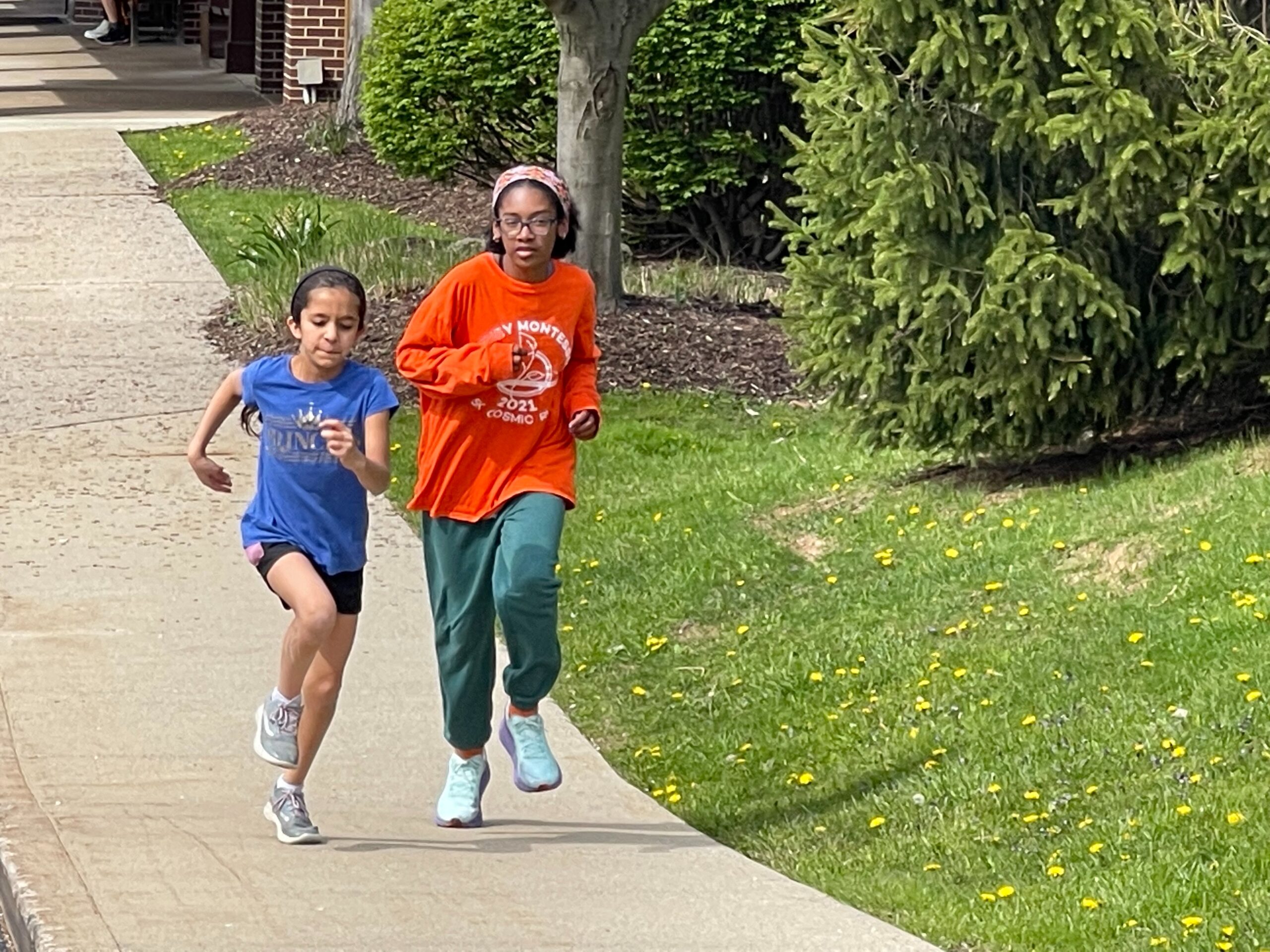
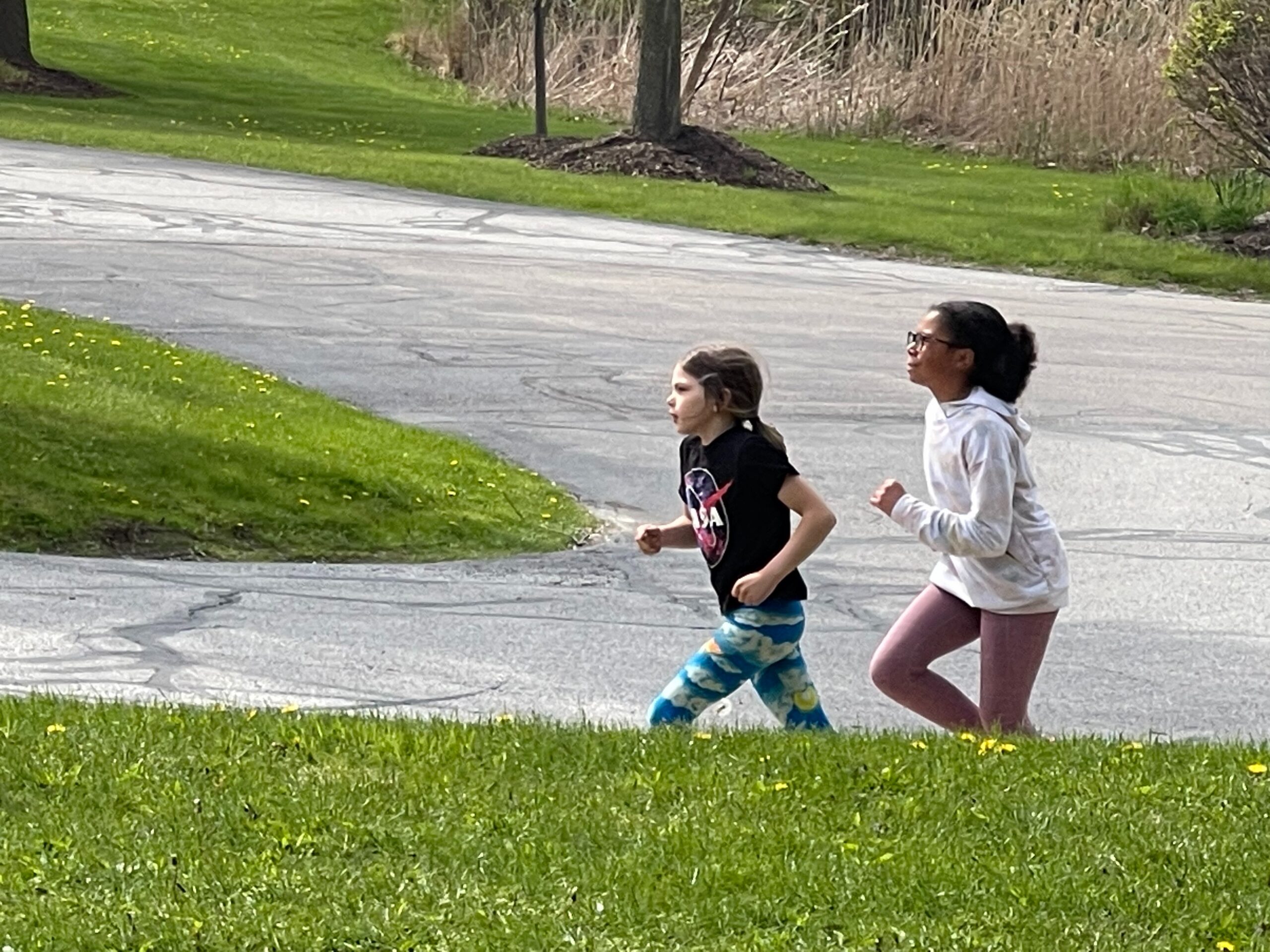
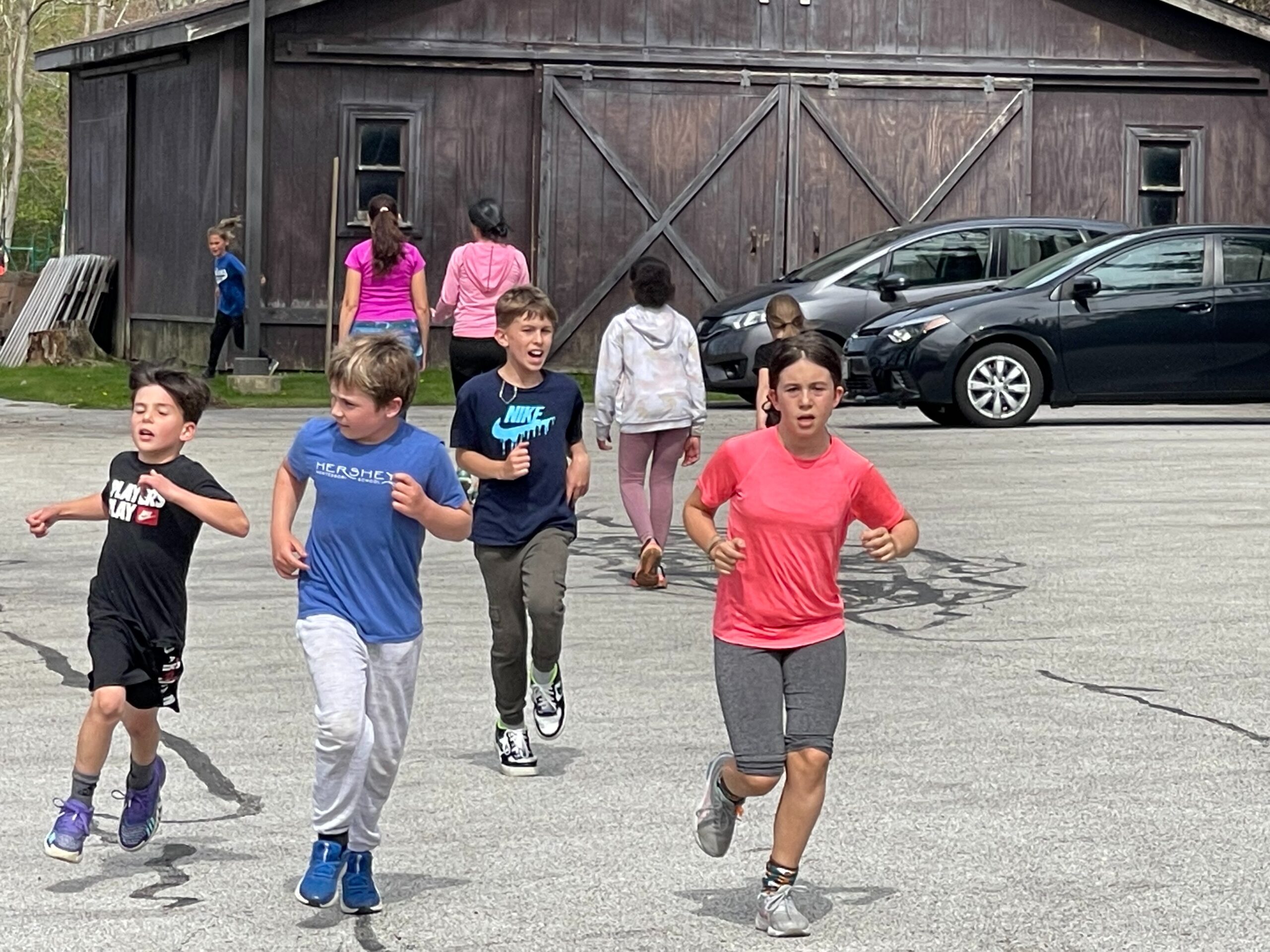
We are grateful to Cheryl McGovern, Hershey Elementary Assistant and Outdoor & Physical Education Coordinator, for leading Hershey’s Just Run group, and to Jennifer Finan, Johan van der Wee, Lakisha Wingard, Saren Peetz, and Venus Kohler for their assistance with the program.
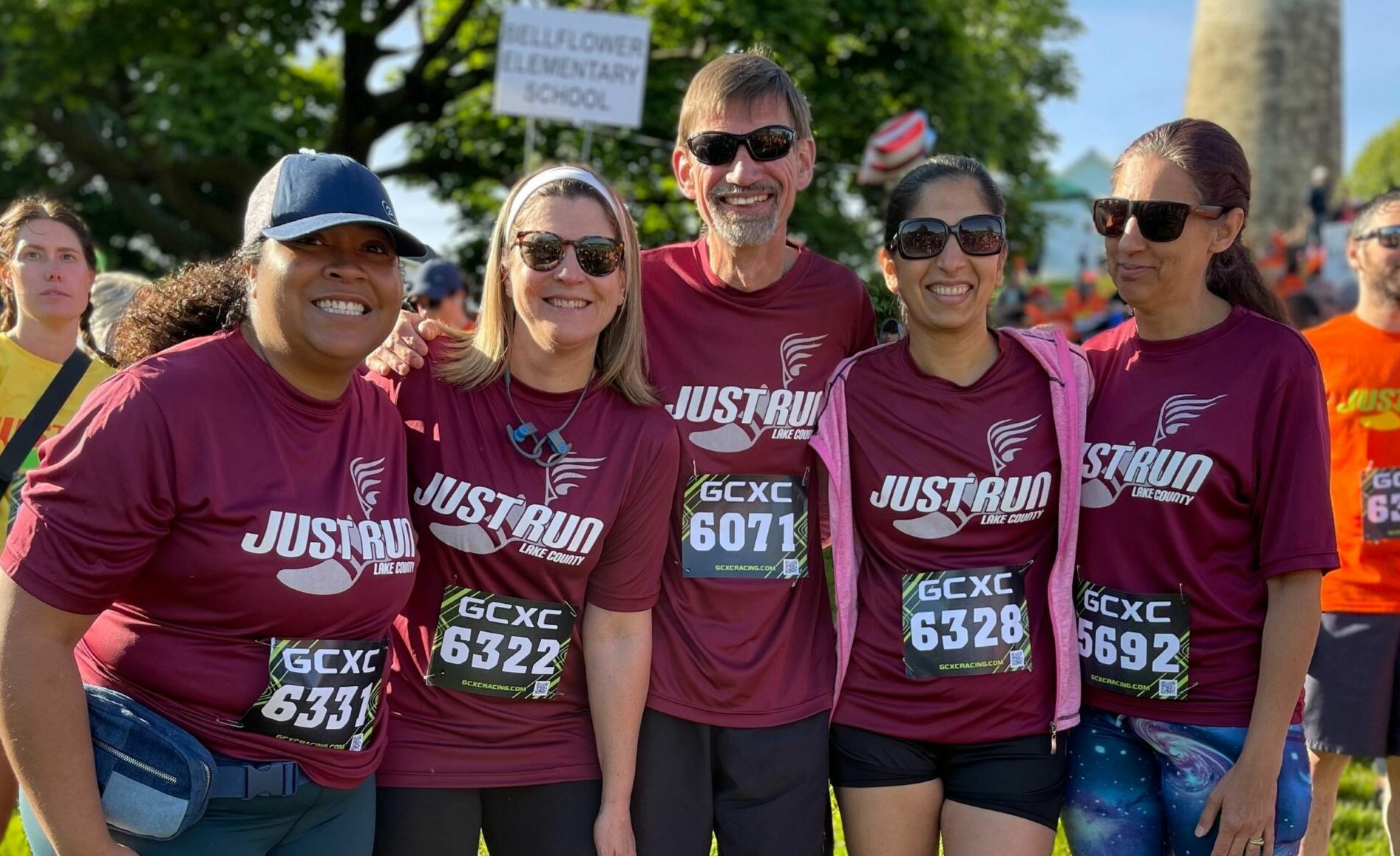
Pictured left to right: Lakisha Wingard, Jennifer Finan, Johan van der Wee, Venus Kohler, Cheryl McGovern
“The energy before the race was palpable and contagious!,” said Cheryl. “They kept up their energy during the race, with the first Hershey runner crossing the finish line in 30th place out of 768 runners!”
A total of four Hershey runners placed in the top 50. Eleven finished in the top 100. One Hershey runner placed in the top 10 Female Runners category, and another placed in the top 20.
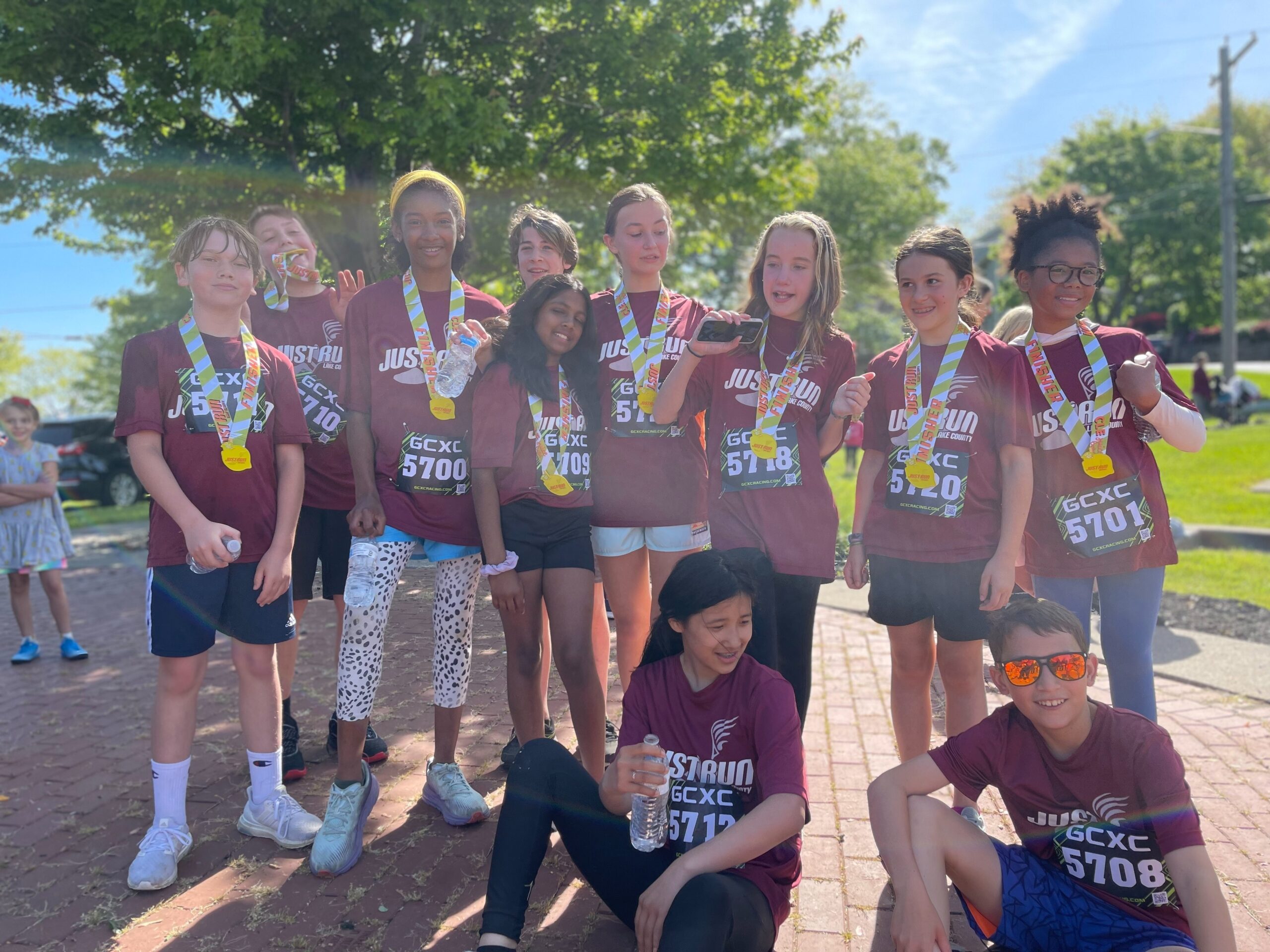
“Most importantly, all who began the race crossed the finish line, with our last two crossing holding hands with smiling faces!” enthused Cheryl. “One of my favorite parts was that so many [Hershey runners and supporters] stayed around as the race was winding down that we were able to provide loud cheers for the very last runner! The young girl went from looking a little confused to wearing a broad smile as she realized the cheers were for her.
The sense of community was strong throughout the event, as a school and in our participation with the Fairport Harbor Just Run 5k community.
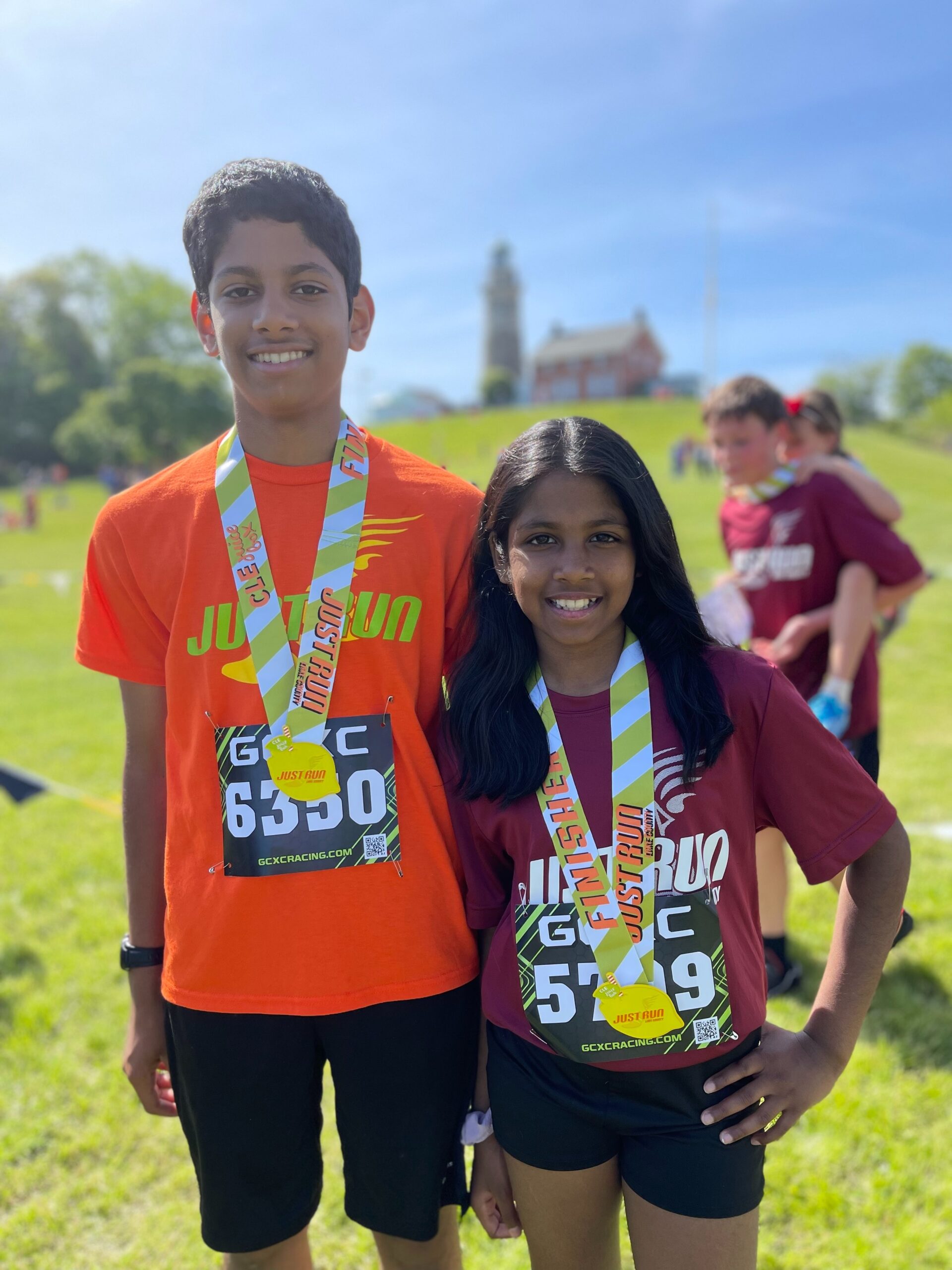
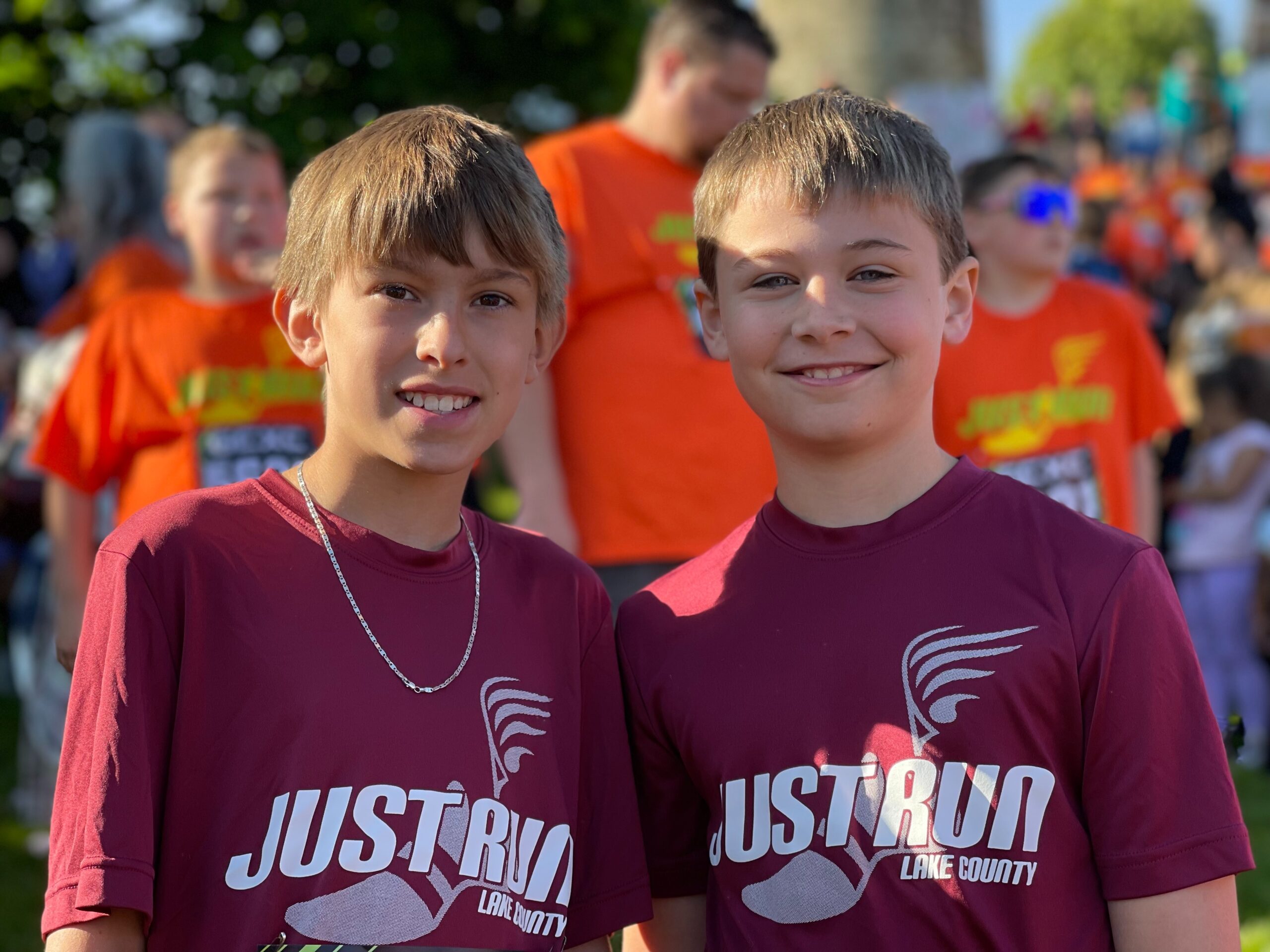
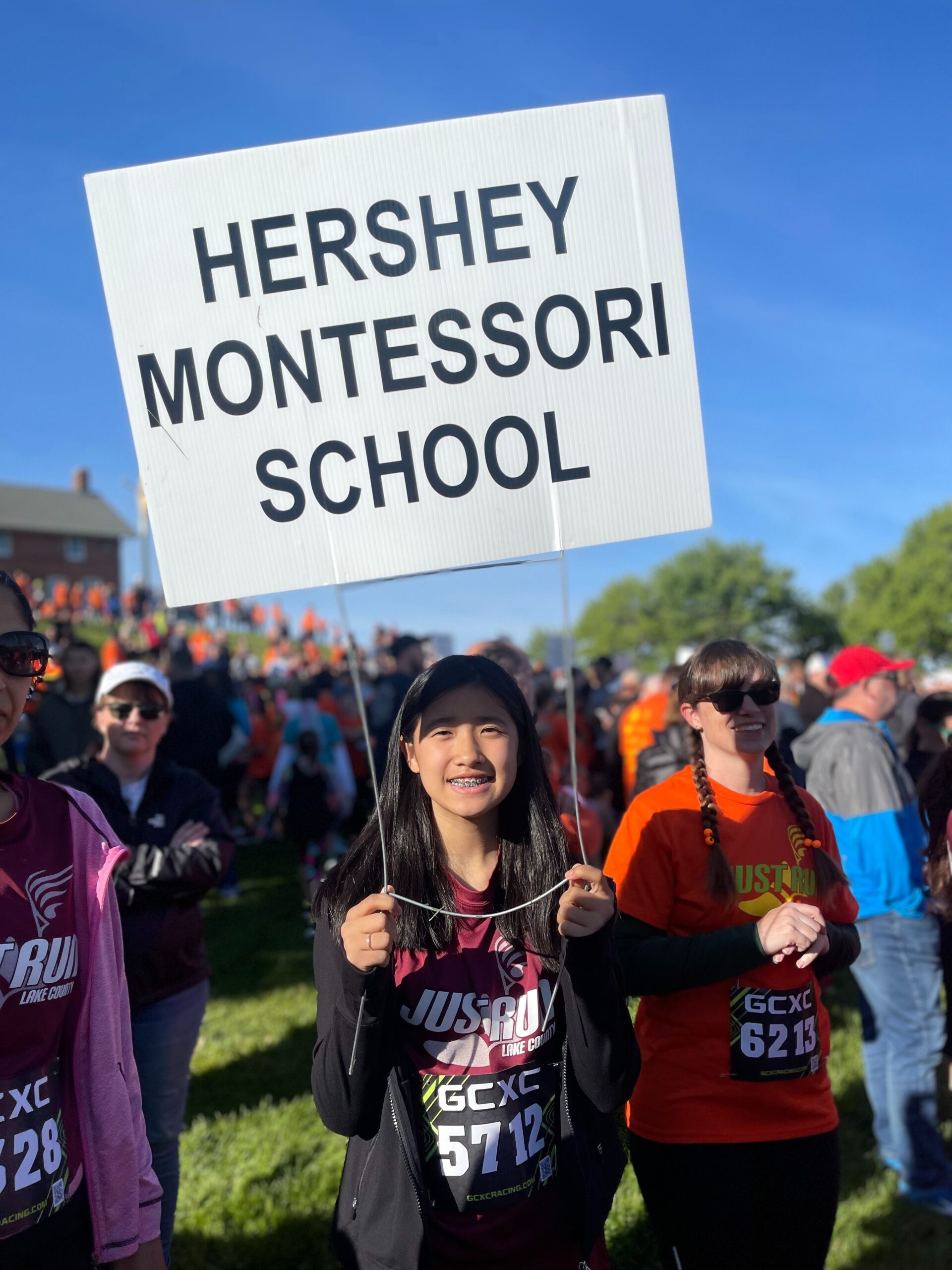
We congratulate all the students who took part in Just Run and extend gratitude to all the families for their support.
Just Run is a free, multifaceted youth fitness program developed by the Big Sur Marathon Foundation. It promotes fitness, healthy eating, good citizenship, and pride in accomplishment. It promotes exercise and the sport of running. Virtual runs across the USA and Europe link points of interest and geographical and historical sites, making it educational as well.